



The accession of Jammu and Kashmir to India in 1947 marked a significant chapter in the region’s history. This integration brought both opportunities and challenges, but over the years, it has proved to be beneficial for Kashmir in numerous ways. Lets us go deep into multifaceted aspects of this accession and how it has contributed to the progress and prosperity of the region.
Historical Context:
The princely state of Jammu and Kashmir, under the rule of Maharaja Hari Singh, had a complex decision to make regarding its future in 1947. It faced external threats and internal unrest as the subcontinent underwent partition. After signing the Instrument of Accession to India, the region received the military assistance it needed, which helped repel invasions and maintain stability.
- Political Integration:
One of the most significant benefits of accession was the political integration of Jammu and Kashmir with the Indian Union. This move allowed the region to participate in India’s democratic processes, empowering its residents to have a say in their governance. Over the years, elections have been held regularly, leading to the formation of governments that represent the interests of the people.

- Socio-economic Development:
Kashmir’s integration with India has resulted in substantial economic progress. The region has benefited from various development schemes and investments in infrastructure, education, and healthcare. These initiatives have improved the overall standard of living for Kashmiris and opened up new opportunities for growth.
- Educational and Professional Opportunities:
Kashmiri youth have had increased access to educational and professional opportunities within India. This has resulted in a well-educated and skilled workforce, contributing not only to the region’s growth but also to India’s diverse labor pool. Many Kashmiri students have excelled in various fields, including medicine, engineering, and the arts.
- Tourism and Cultural Exchange:
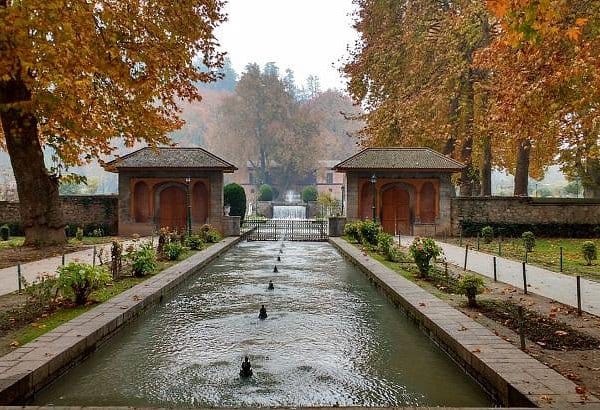
Kashmir’s natural beauty and cultural richness have made it a significant tourist destination. The integration with India has facilitated tourism, enabling travelers from different parts of the country and the world to explore the region. This has not only boosted the local economy but has also encouraged cultural exchange and understanding.
- Investment and Industrial Growth:
The region has attracted investments in various sectors, including agriculture, horticulture, and handicrafts. Additionally, there has been growth in industries such as information technology and manufacturing. These economic activities have created job opportunities and contributed to the region’s economic stability.
- Access to Healthcare:
Kashmir’s healthcare infrastructure has seen significant improvements, with modern hospitals and medical facilities being established. This has led to better healthcare access for the residents, reducing mortality rates and improving overall health indicators.
- Infrastructure Development:
The development of road networks, electricity, and telecommunications infrastructure has connected Kashmir to the rest of India and the world. This improved connectivity has enhanced trade and commerce, benefitting local businesses and consumers alike.
Kashmir’s accession to India has undoubtedly faced challenges and conflicts over the years. However, it is essential to acknowledge the positive changes that have occurred. The region’s progress and prosperity, facilitated by its integration with India, are evident in various sectors. Political empowerment, economic development, access to education and healthcare, and improved infrastructure have collectively contributed to the well-being of Kashmir and its people.
While the region’s political situation remains complex, there is hope that ongoing dialogues and efforts can lead to lasting peace and further enhance the benefits of this integration. Kashmir’s rich cultural heritage, natural beauty, and potential for economic growth make it a valuable asset for both the region and the nation, and its journey toward progress continues.

